
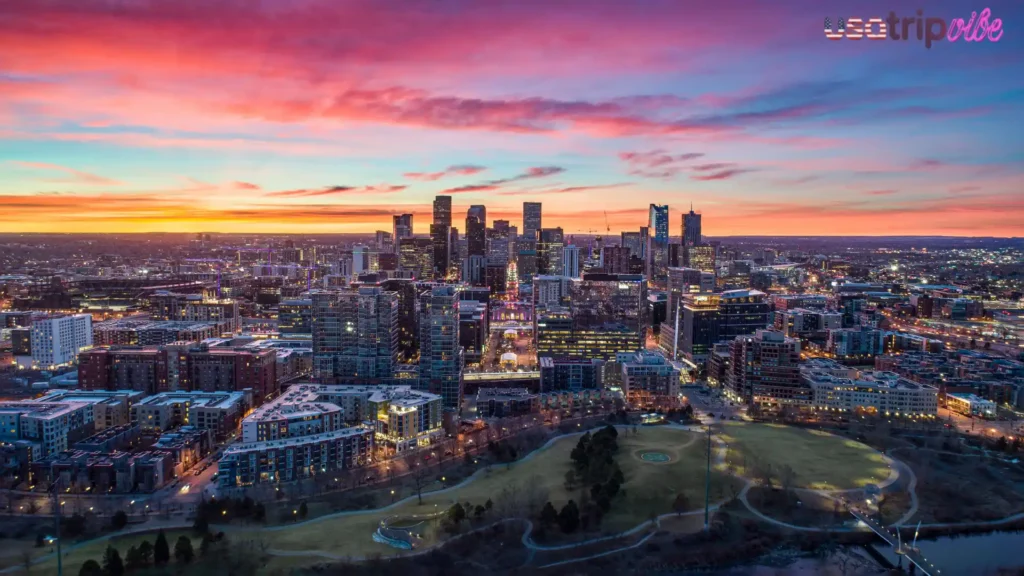
Denver doesn’t fit the usual city mold. It’s a proper metropolis—700,000 people, professional sports teams, thriving downtown—sitting literally one mile above sea level with the Rocky Mountains visible from downtown streets. You can brunch in a walkable urban neighborhood, then be hiking at 10,000 feet within an hour. That combination doesn’t exist anywhere else in America.
Here’s what Denver actually delivers: 300 days of sunshine annually (more than San Diego or Miami), a craft brewery scene that rivals Portland, surprisingly walkable neighborhoods despite being a Western city, and legitimate access to world-class mountain recreation. The altitude is real—you’ll feel it the first day. The outdoor culture is real—locals actually do use all that REI gear. And the growth is real—Denver’s exploding, which brings energy but also traffic and rising costs.
We’ve explored Denver extensively—from RiNo brewery walks to Rocky Mountain National Park day trips, Union Station food halls to Red Rocks concerts under the stars. This destination overview gives you practical information: how altitude affects your visit, which neighborhoods matter, realistic mountain trip timing, and why you absolutely need a rental car despite Denver having decent public transit.
Last Updated:
Content by: USAtripvibe Content Team
- Why Visit Denver?
- When to Visit Denver
- How to Get There & Get Around
- Flying to Denver
- Getting Around Denver
- Public Transit (RTD – Regional Transportation District)
- Rental Car (Essential for Full Colorado Experience)
- Where to Stay in Denver
- Choose Based on Your Priorities
- Our Recommendations:
- How Many Days to Spend in Denver
- 4-5 Days: City + Mountains ⭐
- 6-7 Days: Full Colorado Sampler
- Reality Check:
- Top Things to Do in Denver
- Red Rocks Amphitheatre
- Union Station & Downtown
- Denver Art Museum
- RiNo Art District Brewery Walk
- 16th Street Mall
- What to Skip (Honest Take)
- Altitude Tips (CRITICAL)
- Practical Denver Information
- Day Trips from Denver
- Rocky Mountain National Park (90 Minutes)
- Garden of the Gods (Colorado Springs, 1 Hour)
- Boulder (30 Minutes)
- Breckenridge (90 Minutes)
Why Visit Denver?
What Denver Actually Offers
Denver excels at:
✅ Mountain Access – Rocky Mountain National Park (90 min), ski resorts (60-90 min), dozens of hiking trailheads within 30-60 minutes. Real mountains, not foothills.
✅ Craft Beer Capital – 150+ breweries in metro area. Great Divide, Wynkoop, TRVE, Ratio—this isn’t hype, Denver’s brewery scene is world-class.
✅ Walkable Downtown – 16th Street Mall, LoDo, Union Station area actually walkable. Rare for Western cities.
✅ Outdoor Culture – Not fake Instagram outdoorsy—real gear, real trails, real commitment. Everyone hikes, bikes, skis.
✅ 300 Days of Sunshine – Legitimately sunny most days. Even winter is often bright (though cold).
✅ Food Scene – Beyond expectations. Michelin-worthy restaurants, diverse cuisines, food halls (Avanti, Stanley Marketplace).
✅ Sports & Entertainment – Broncos (NFL), Nuggets (NBA), Avalanche (NHL), Rockies (MLB), Red Rocks Amphitheatre (iconic venue).
What Denver is NOT:
- Cheap anymore (growth = higher costs)
- Easy altitude (5,280 feet affects everyone)
- Quick mountain access (1-2 hours is real)
- Beach/warm weather destination
- As liberal as Boulder (it’s moderate)
Who Denver Works For:
🏔️ Outdoor enthusiasts – Hiking, skiing, camping year-round
🍺 Beer lovers – World-class brewery scene
🚶 Walkable city fans – Downtown actually works without car
👨👩👧👦 Active families – Outdoor activities, museums, sports
🎿 Ski trip base – Access to multiple resorts
🚗 Road trippers – Perfect Colorado hub
Who Might Skip Denver:
- Want beach/tropical climate
- Can’t handle altitude (heart/breathing issues)
- Prefer East Coast walkable cities
- Budget-conscious (expensive now)
When to Visit Denver
Four Real Seasons + Altitude Reality
Denver has semi-arid climate with intense sun and low humidity:
Summer (June-August): Peak Season ⭐
- Temperature: 80-95°F (27-35°C) days, 55-65°F (13-18°C) nights
- Why it’s peak: Perfect hiking weather, all mountain roads open, longest days, festivals
- Pros: Best weather, everything accessible, outdoor activities peak
- Cons: Highest prices (+40%), most crowded trails, afternoon thunderstorms common
- Altitude note: Lower humidity = very strong sun, dehydration faster
- What to pack: Sunscreen (essential!), water bottles, layers (big temp swings)
Fall (September-October): Best Value ⭐
- Temperature: 60-75°F (15-24°C) days, 35-45°F (2-7°C) nights
- Why it’s great: Perfect hiking temps, fall colors (aspens golden), crowds thinning, still sunny
- Best month: September (ideal balance)
- Events: Great American Beer Festival (September/October)
- Cons: Some mountain passes close late October, shorter days
- What to pack: Layers, warm jacket for evenings
Winter (November-March): Ski Season
- Temperature: 40-55°F (4-13°C) days, 15-25°F (-9 to -4°C) nights
- Why people come: Skiing! Access to world-class resorts
- Sunny but cold: 300 days sunshine = many blue-sky winter days
- Pros: Ski resorts running, lower Denver hotel prices, less crowded city
- Cons: Cold, some mountain roads closed, need car with winter tires/chains
- What to pack: Serious winter gear, layers, ski equipment
Spring (April-May): Unpredictable
- Temperature: 55-70°F (13-21°C) days, 30-45°F (-1-7°C) nights
- Why it’s tricky: Snow possible through May, unpredictable weather
- Pros: Lower prices than summer, wildflowers start, fewer crowds
- Cons: Trail access limited (snow at elevation), weather unpredictable, mud season
- What to pack: Everything—could be 70°F or snowing
Best Overall: June-September for mountain access, September for best value
Altitude Reality: 5,280 feet (1 mile) affects EVERYONE. First day: drink water constantly, limit alcohol, take it easy. Altitude sickness symptoms: headache, nausea, fatigue, shortness of breath.
How to Get There & Get Around
Flying to Denver
Denver International Airport (DEN):
- Location: 25 miles northeast of downtown (yes, it’s far)
- Size: One of world’s busiest, massive, tent-roof iconic building
- Drive time to downtown: 35-45 minutes (longer in traffic)
- Why it’s far: Built on empty prairie, room to expand
- Transportation:
- Rental car: $50-80/day, essential if doing mountains
- A Line train: $10.50 to downtown (37 minutes), easiest option
- Uber/Lyft: $45-65 to downtown
- SuperShuttle/shuttles: $25-40, slower
- Pro tips: Airport is high altitude too (5,431 ft). A Line train clean, reliable, connects to downtown transit.
Getting Around Denver
Good news: Downtown Denver is walkable. Reality: You need car for mountains.
Walking & Biking (Works Downtown)
Walkable areas:
- 16th Street Mall (free shuttle bus)
- LoDo (Lower Downtown)
- RiNo (River North Art District)
- Union Station area
- Capitol Hill
- Cherry Creek (shopping)
Distance reality:
- 16th Street Mall end-to-end: 1 mile (easy walk)
- Downtown to RiNo: 15-20 min walk or quick Uber
- Most tourists stay within 2-mile downtown radius
B-cycle bike share: $9/day, 89 stations, works well for urban exploring
Public Transit (RTD – Regional Transportation District)
Light rail:
- A Line: Airport to downtown (most useful)
- Multiple lines connect suburbs
Cost: $3 local, $5.25 regional, $10.50 airport
When it works:
- Downtown to airport
- Staying downtown, exploring city only
- Connecting some suburbs
When it doesn’t:
- Mountains (zero transit)
- Scattered attractions
- After 11 PM (limited service)
Rental Car (Essential for Full Colorado Experience)
Why you absolutely want one:
- Mountains require car (no transit)
- Rocky Mountain National Park: 90 min drive
- Ski resorts: 60-90 min
- Best hiking: 30-90 min away
- Day trips essential part of Denver visit
Cost: $50-80/day
Parking downtown:
- Hotels: $25-40/night
- Street meters: $2-4/hour
- Garages: $10-20/day
Mountain driving notes:
- Altitude roads wind and climb
- Weather changes fast
- Winter: AWD/4WD recommended, chains sometimes required
- Gas up before mountains (limited stations)
Pro tip: Book at airport for best rates. Many hotels offer free parking.
Where to Stay in Denver
Choose Based on Your Priorities
Downtown / LoDo: Central Everything
Best for: First-time visitors, no car rentals, business travelers
Pros:
✅ Walking distance to 16th Street Mall, Union Station
✅ Best restaurant/bar concentration
✅ Close to Coors Field (baseball)
✅ Direct airport train access (A Line)
✅ Many hotel options (all chains)
Cons:
❌ Expensive ($150-300/night)
❌ Parking fees ($25-40/night)
❌ Can feel touristy
❌ Street noise on weekends
Price range: $140-280/night
When to stay: First visits, city-only focus, business trips
RiNo (River North Art District): Hip & Trendy
Best for: Younger travelers, brewery lovers, art fans
Pros:
✅ Best brewery concentration (walk to 10+ breweries)
✅ Street art everywhere (Instagram worthy)
✅ Trendy restaurants and coffee shops
✅ Less touristy than downtown
✅ Walkable neighborhood
Cons:
❌ Still developing (some rough edges)
❌ Limited hotel options (more Airbnbs)
❌ 15-minute walk or Uber to downtown
❌ Can be loud (industrial-turned-hip area)
Price range: $120-220/night
When to stay: Brewery focus, want local vibe, younger crowd
Capitol Hill: Local Neighborhood
Best for: Budget travelers, LGBTQ+ travelers, local experience
Pros:
✅ More affordable ($100-180/night)
✅ Real neighborhood feel
✅ LGBTQ+ friendly area
✅ Good bars and restaurants
✅ Easy bus/light rail to downtown
Cons:
❌ Not as walkable to tourist areas
❌ Fewer hotels (more Airbnbs)
❌ Some areas sketchy at night
❌ Need transit or Uber to most places
When to stay: Budget priority, local experience, LGBTQ+ welcoming area
Cherry Creek: Upscale Shopping
Best for: Luxury travelers, serious shoppers, quiet preference
Pros:
✅ Upscale area, very safe
✅ Best shopping in Denver
✅ Good restaurants
✅ Cherry Creek Trail (biking/walking)
✅ Quieter than downtown
Cons:
❌ Expensive ($180-350/night)
❌ 15-20 minutes from downtown
❌ Need car or Uber everywhere
❌ Less “Denver character”
When to stay: Luxury trip, shopping priority, want quiet upscale area
Suburbs/Airport Area: Budget & Convenience
Best for: Families, budget travelers, early flights, road trippers
Pros:
✅ Most affordable ($80-140/night)
✅ Free parking
✅ Chain hotel reliability
✅ Easy highway access
Cons:
❌ 20-40 minutes from downtown
❌ No walkability
❌ Generic suburb feel
❌ Miss downtown experience
When to stay: Budget priority, early flights, just passing through
Our Recommendations:
First-time visitors: Downtown/LoDo (central, walkable)
Brewery lovers: RiNo (walk to breweries)
Budget travelers: Capitol Hill or suburbs
Luxury seekers: Cherry Creek
Mountain focus: Downtown or suburbs (easy highway access)
How Many Days to Spend in Denver
2-3 Days: City Focus
Perfect for: Urban weekend, brewery tour, downtown exploration
What you’ll see:
- Downtown, 16th Street Mall, Union Station
- RiNo breweries and street art
- One museum (Denver Art Museum or Nature & Science)
- Maybe Red Rocks (if concert/day visit)
What you’ll miss:
- Mountains
- Rocky Mountain National Park
- Ski resorts
- Multiple day trips
Verdict: Good city break, but missing Denver’s main draw (mountains)
4-5 Days: City + Mountains ⭐
Perfect for: Complete Denver experience
What you’ll add:
- Rocky Mountain National Park day trip
- Garden of the Gods (Colorado Springs, 1 hour)
- More breweries and neighborhoods
- Red Rocks concert or sunrise visit
- Better restaurant sampling
Verdict: Sweet spot for most visitors
6-7 Days: Full Colorado Sampler
What you’ll add:
- Multi-day mountain trip
- Ski resort (winter) or mountain town (summer)
- Breckenridge, Vail, or Estes Park overnight
- Multiple hiking days
- Deeper Denver exploration
Verdict: Ideal for outdoor enthusiasts or Colorado road trip
Reality Check:
Most visitors spend 3-4 days (city + one mountain day trip) or 5-7 days (city + extended mountain time)
Denver works best: As gateway to Colorado mountains, not standalone city destination
Top Things to Do in Denver
Must-See Attractions
Rocky Mountain National Park (90 Minutes)
What: Spectacular mountain park, alpine lakes, 14,000-ft peaks
Why go: Main reason most people visit Colorado
Time needed: Full day minimum
Cost: $30/car (7-day pass)
Best season: June-September (Trail Ridge Road fully open)
Reality check:
- Not a “quick stop”—plan full day
- Altitude: Trails start at 8,000+ feet
- Afternoon thunderstorms common (start hikes early)
- Crowded summer (arrive before 7 AM or use timed entry)
Worth it? Absolutely essential if you like mountains/hiking
Red Rocks Amphitheatre
What: Natural amphitheater carved in red rocks, concerts + sunrise workouts
Why visit: Iconic venue, stunning even without concert
Time needed: 1 hour (visit) or full evening (concert)
Cost: FREE to visit, concerts $50-150+
Location: 20 minutes west of Denver
What to do:
- Sunrise workout (free, popular, locals pack it)
- Visit during day (walk around, photos)
- Attend concert (check schedule)
- Hike nearby trails
Pro tip: If no concert, visit at sunrise or sunset for best light
Worth it? Yes—unique geological feature, free to visit
Union Station & Downtown
What: Beautifully restored 1914 train station, now food hall/hotel
Why visit: Denver’s living room, best food hall, architectural gem
Time needed: 1-2 hours
Cost: FREE
What to do:
- Explore food vendors and restaurants
- People watch in Great Hall
- Walk 16th Street Mall from here
- Terminal Bar (craft cocktails)
Worth it? Yes—best starting point for Denver visit
Denver Art Museum
What: Modern architecture, solid art collection, Native American exhibits
Why visit: Stunning building (Daniel Libeskind design), quality collection
Time needed: 2-3 hours
Cost: $18-24
Location: Downtown
Worth it? Yes if you like museums, building alone impressive
RiNo Art District Brewery Walk
What: Walk/bike to 10+ breweries in industrial hip neighborhood
Why do it: Denver’s craft beer scene concentrated here, street art everywhere
Time needed: Afternoon/evening
Cost: $6-8/beer
Top breweries:
- Ratio Beerworks
- Epic Brewing
- Black Shirt Brewing
- Great Divide (nearby)
Pro tip: Rent B-cycle, hit 3-4 breweries, pace yourself (altitude + beer = easier drunk)
Worth it? Essential for beer lovers
16th Street Mall
What: Pedestrian mall, free shuttle bus, shops and restaurants
Why visit: Heart of downtown, starting point for exploring
Time needed: 30 minutes to 2 hours
Cost: FREE
Reality check:
- Touristy but functional
- Good for orientation
- Free shuttle runs whole length
- Better restaurants off the mall (side streets)
Worth it? Quick walk-through, not a destination itself
What to Skip (Honest Take)
Casa Bonita: Famous from South Park, but food is terrible and it’s far (Lakewood). Unless huge South Park fan, skip.
Elitch Gardens: Generic amusement park. If you want theme parks, go to better ones.
Most Downtown Museums: Denver has good museums, but if time limited, prioritize mountains over museums.
Altitude Tips (CRITICAL)
5,280 Feet Affects Everyone
First 24-48 hours strategy:
- Hydrate aggressively: Double your normal water intake
- Limit alcohol: Hits harder at altitude, dehydration worse
- Take it easy: Don’t plan strenuous hike day one
- Eat carbs: Helps with altitude adjustment
- Ibuprofen: Helps with altitude headaches
Symptoms to watch:
- Headache (most common)
- Nausea
- Fatigue
- Shortness of breath
- Trouble sleeping
If going higher (mountains):
- Give yourself adjustment day in Denver first
- Trails at 10,000+ feet are HARD
- Turn back if symptoms worsen
- Serious altitude sickness is medical emergency
Pro tip: Many locals recommend Pedialyte before bed after flying in
Practical Denver Information
Money & Costs
Daily budget (per person):
- Budget: $100-150 (hostel/cheap hotel, limited dining, free activities)
- Mid-range: $180-250 (decent hotel, meals out, attractions, rental car)
- Comfortable: $300+ (nice hotel, all meals, activities, mountain trips)
What things cost:
- Museum admission: $15-25
- Brewery beer: $6-8
- Lunch: $15-25
- Dinner (mid-range): $30-50
- Rental car: $50-80/day
- Downtown parking: $10-20/day
- Rocky Mountain NP entry: $30/car
Sales tax: 8.81% (high!)
Reality: Denver got expensive. Not SF/NYC, but not cheap Midwest either.
Safety
Generally safe city:
Safe areas:
- Downtown/LoDo
- RiNo
- Cherry Creek
- Capitol Hill (mostly)
- Highlands
Use caution:
- Colfax Avenue (sketchy stretches)
- Some East Colfax areas
- Five Points (improving but uneven)
- Auraria Campus area at night
Common issues:
- Car break-ins (don’t leave visible valuables)
- Bike theft (lock properly)
- Some aggressive panhandling downtown
Mountain safety:
- Weather changes fast (bring layers)
- Lightning danger (get off peaks by 1 PM)
- Wildlife exists (bears, mountain lions rare but real)
Day Trips from Denver
Rocky Mountain National Park (90 Minutes)
Essential day trip. Plan full day, start early, bring layers and water.
Garden of the Gods (Colorado Springs, 1 Hour)
What: Dramatic red rock formations, free park
Worth it: Yes—stunning, easy trails, free
Boulder (30 Minutes)
What: College town, Pearl Street Mall, hiking access
Worth it: Half-day trip, cute town, more liberal vibe
Breckenridge (90 Minutes)
What: Mountain town, skiing (winter), hiking (summer)
Worth it: Yes for mountain town experience
Denver FAQ
Q: Is altitude a big deal?
A: Yes. Everyone feels it. Drink tons of water, take it easy first day, limit alcohol. Most people adjust in 24-48 hours.
Q: How many days do I need?
A: 3-4 days for city + one mountain day trip. 5-7 days for multiple mountain days.
Q: Do I need a car?
A: For city only, no (but helpful). For mountains/skiing/best of Colorado, absolutely yes.
Q: Best neighborhood to stay?
A: Downtown/LoDo for first-timers. RiNo for breweries. Cherry Creek for luxury. Suburbs for budget.
Q: Is Denver expensive?
A: Yes, it got expensive. Budget $180-250/day mid-range. Not as bad as SF/NYC but not cheap.
Q: When should I visit?
A: June-September for mountain access. September for best value. Winter for skiing.
Q: Can I ski in Denver?
A: Ski resorts are 60-90 minutes away (Loveland, Breckenridge, Vail, etc.). Denver is the base, not ski destination itself.
Q: What about marijuana?
A: Legal recreationally (21+). Dispensaries everywhere. Can’t smoke in public or federal land (including Rocky Mountain NP).
Q: Is Denver worth it without mountains?
A: It’s a nice city, but mountains are the main draw. If you can’t/won’t do mountain activities, other cities might be better choice.
Q: How’s the food scene?
A: Better than expected. Beyond steak and Mexican—real culinary talent moved here. Food halls (Avanti, Stanley) are excellent.
Related Resources
Plan Your Colorado Trip:
→ Colorado Springs – Garden of the Gods, Pikes Peak
→ Boulder – College town, 30 min north
Travel Resources:
→ Hotels – Where to stay guides
→ Flights – DEN airport tips
→ Car Rentals – Essential for mountains
→ Road Trips – Colorado scenic drives
About This Denver Overview
We’re travel content creators who’ve explored Denver and Colorado extensively. This destination overview reflects honest experience with altitude, mountain access realities, and what actually makes Denver special.
Our approach:
✅ Honest about altitude effects (everyone feels it)
✅ Realistic mountain drive times
✅ Actual costs (Denver got expensive)
✅ Car necessity for full experience
What we DON’T do:
❌ We don’t book travel for you
❌ We’re not Denver tourism board
❌ We don’t oversell it
Questions? Corrections?
📧 Email us: info@usatripvibe.com
Follow for more Colorado travel:
- Instagram: @usatripvibe
- Facebook: /usatripvibe
- Twitter/X: @usatripvibe
- Pinterest: /usatripvibe
Denver and Colorado travel info constantly evolves. Spot outdated information? Let us know at info@usatripvibe.com